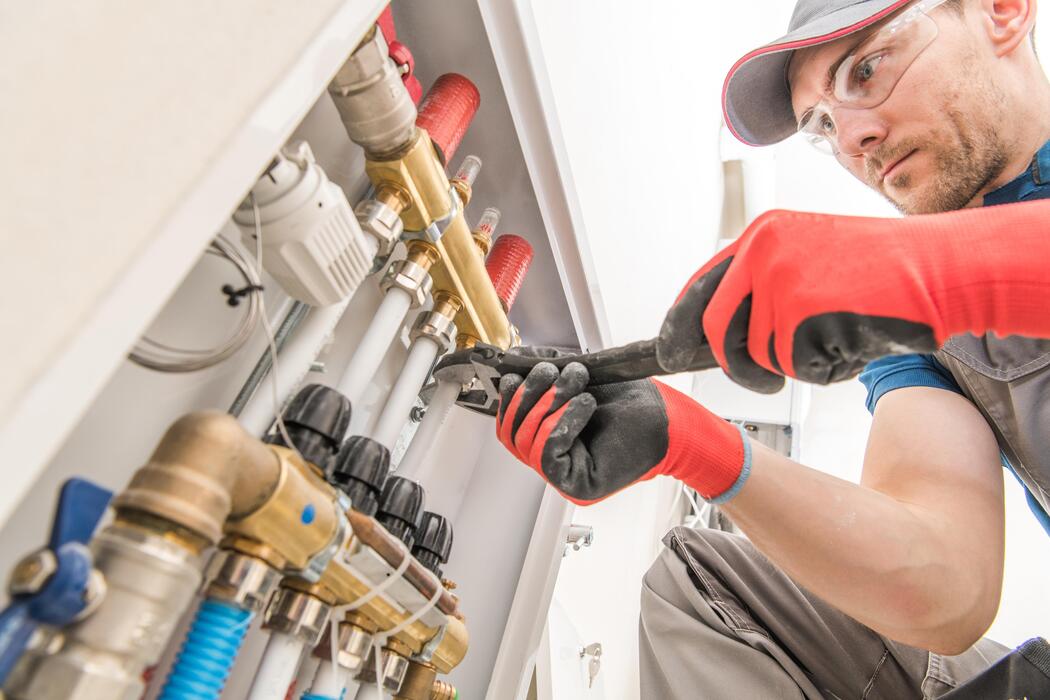
Proper plumbing maintenance is essential to prevent costly repairs, water damage, and health hazards. At Macs Plumbing, we've been serving the Illinois, Indiana, Michigan, and Wisconsin areas for 15 years, providing expert advice and services to keep your home's plumbing system running smoothly. In this comprehensive guide, we'll walk you through the causes, warning signs, and prevention methods to keep your plumbing system in top condition.
Causes of Plumbing Issues
Plumbing problems can arise from various sources, including old or corroded pipes, improper installation, and neglect. In this section, we'll explore the common causes of plumbing issues and provide tips on how to prevent them.
Corroded or Leaking Pipes
Corroded or leaking pipes can lead to water damage, mold growth, and costly repairs. To prevent this, it's essential to inspect your pipes regularly and address any issues promptly. You can use a water leak detection device to detect hidden leaks. For more severe cases, consider hiring a professional plumber to replace the affected pipes.
Warning Signs of Plumbing Issues
Identifying warning signs early on can help prevent minor issues from becoming major problems. Keep an eye out for these common warning signs:
Gurgling Drains
Gurgling drains are a sign of a clogged drain or a sewer line issue. To prevent this, ensure that you're not pouring grease or food scraps down the drain. If the issue persists, consider using a drain cleaning product or calling a professional plumber.
Running Toilets
A running toilet can waste up to 200 gallons of water per day, leading to increased water bills and potential water damage. To fix this issue, check the toilet's flapper and fill valve for proper functioning. If the issue persists, consider hiring a professional plumber to repair or replace the toilet.
Professional Advice for Plumbing Maintenance
Preventing plumbing issues requires a combination of regular maintenance, DIY fixes, and professional expertise. Here are some expert tips to keep your plumbing system in top condition:
Schedule Regular Maintenance
Schedule regular maintenance with a professional plumber to inspect and maintain your plumbing system. This can help identify potential issues before they become major problems.
Fix Leaks Promptly
Fixing leaks promptly can prevent water damage and save you money on your water bills. Use a water leak detection device to detect hidden leaks and address them promptly.
Use the Right Tools
Using the right tools can help you tackle plumbing issues efficiently. Invest in a drain snake, plunger, and other plumbing tools to help you fix common issues.
Costs of Plumbing Repairs
The cost of plumbing repairs can vary depending on the severity of the issue, the location of the issue, and the materials required. Here are some estimated costs for common plumbing repairs:
Pipe Replacement
The cost of pipe replacement can range from $500 to $2,000, depending on the type and length of the pipes.
Drain Cleaning
The cost of drain cleaning can range from $100 to $500, depending on the severity of the issue and the materials required.
Prevention Methods
Preventing plumbing issues requires a combination of regular maintenance, DIY fixes, and professional expertise. Here are some prevention methods to keep your plumbing system in top condition:
Inspect Your Pipes Regularly
Inspect your pipes regularly to identify potential issues before they become major problems.
Use the Right Materials
Using the right materials can help prevent plumbing issues. Invest in high-quality pipes, fittings, and fixtures to ensure a leak-free system.
Hire a Professional Plumber
Hiring a professional plumber can help you tackle complex plumbing issues efficiently. Consider hiring a plumber for regular maintenance, repairs, and installations.
Installing New Plumbing Fixtures
Installing new plumbing fixtures can help you upgrade your plumbing system and prevent issues. Here are some tips for installing new plumbing fixtures:
Hire a Professional Plumber
Hiring a professional plumber can help you install new plumbing fixtures efficiently and safely.
Follow Manufacturer Instructions
Follow the manufacturer's instructions for installing new plumbing fixtures. This can help ensure a leak-free system and prevent potential issues.
Test the Fixtures
Test the new plumbing fixtures to ensure they're working properly. Check for leaks, water pressure, and flow rate to ensure the fixtures are functioning correctly.
Conclusion
Maintaining your home's plumbing system is crucial to prevent costly repairs, water damage, and health hazards. By following the tips and prevention methods outlined in this guide, you can keep your plumbing system in top condition and prevent plumbing issues. Don't wait until it's too late – schedule regular maintenance with a professional plumber today!